
Synedica BPC-157 & TB-500 40mg Pen
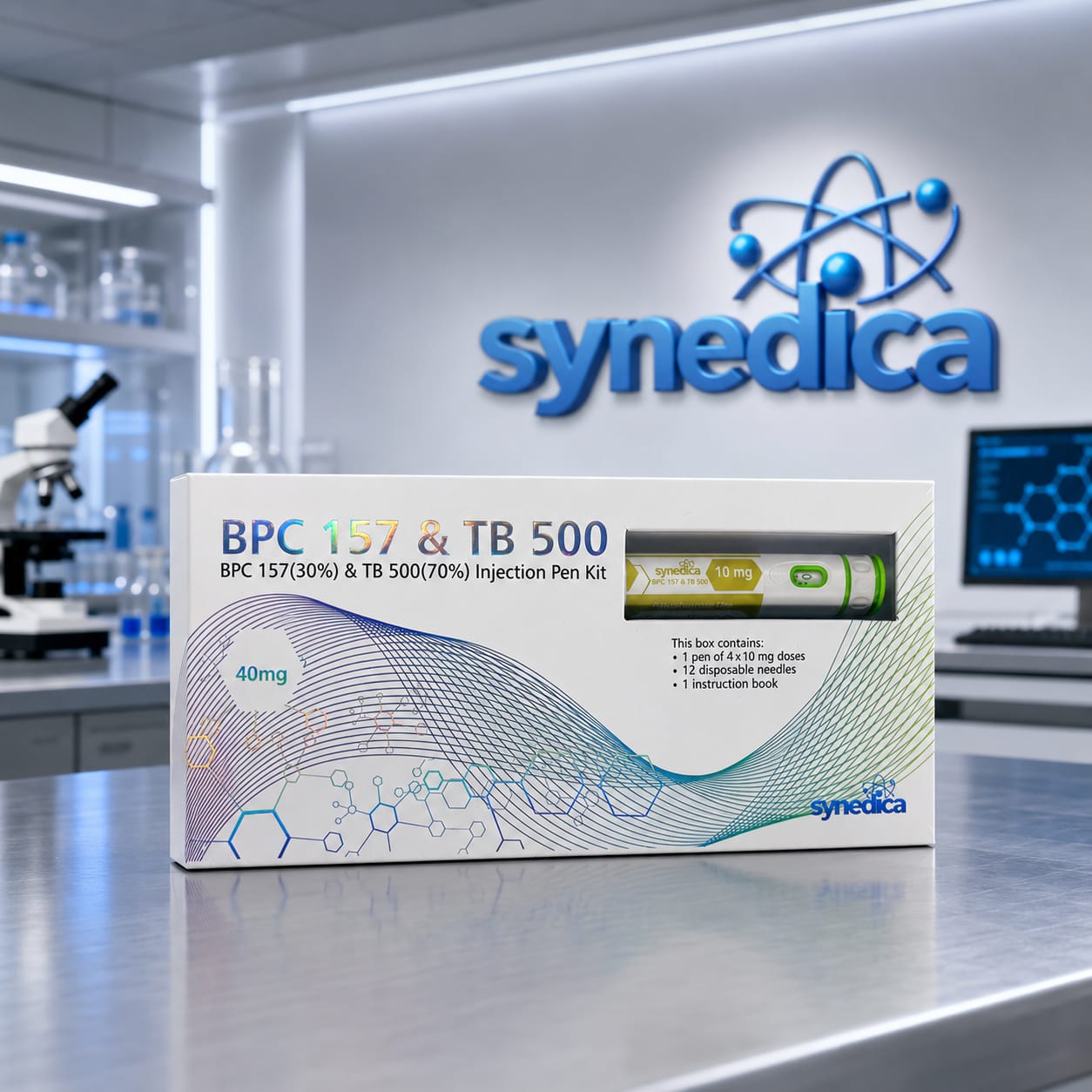
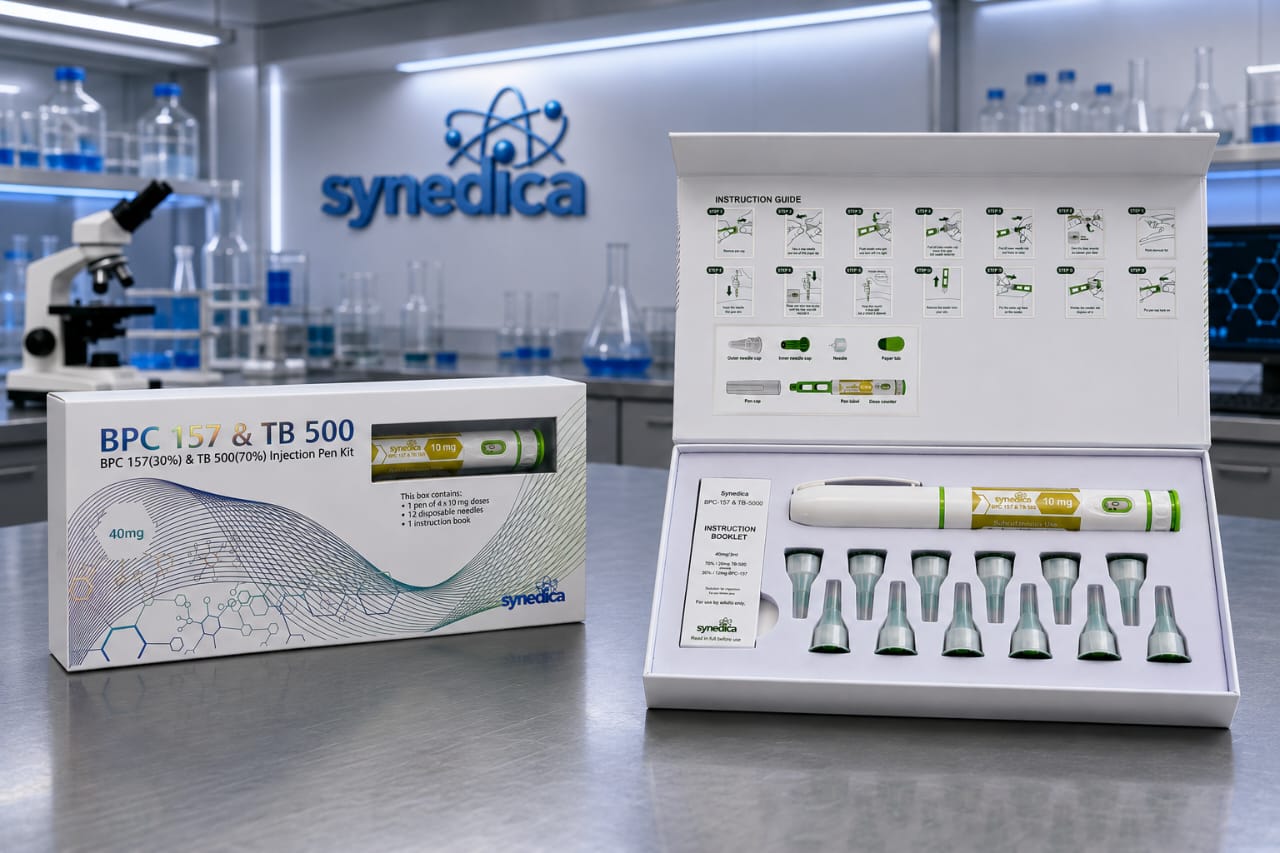
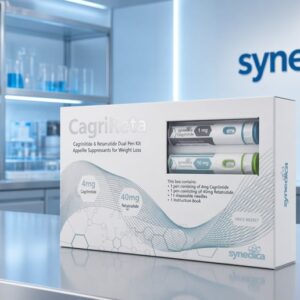
Synedica BPC-157 & TB-500 40mg Pen is a peptide-based formulation that combines two compounds frequently discussed in experimental peptide research: BPC-157 and TB-500. The product name identifies the Synedica formulation, the two featured compounds, the stated total strength of 40mg, and its pen-style presentation. For anyone researching peptide products, understanding these individual components and their scientific background is an important starting point.
BPC-157 is a synthetic peptide that has attracted scientific interest in preclinical research involving biological processes and tissue responses. TB-500 is associated with research into thymosin beta-4-related biology, including cellular movement and tissue processes. Although these research areas have attracted attention, findings from laboratory and animal studies cannot automatically be applied to humans. The Synedica BPC-157 & TB-500 40mg Pen should therefore be understood in the context of its documented composition and research background rather than as a proven medical treatment.
Synedica Pen
BPC-157 is a laboratory-produced peptide investigated in experimental settings. Researchers have examined its biological activity and possible interactions with several cellular processes. However, its potential applications remain an area of investigation, and the available evidence does not establish its safety or effectiveness as a treatment for human injuries or medical conditions.
When evaluating the Synedica BPC-157 & TB-500 40mg Pen, it is important to distinguish scientific interest from established clinical evidence. A compound being investigated for a particular biological process does not mean that a finished product has been proven to produce the same outcome in people.
Responsible product information should explain what BPC-157 is, identify the limitations of existing research, and avoid making unsupported promises about healing, performance, or recovery.
Synedica BPC-157 & TB-500
TB-500 is a peptide-related compound associated with research into thymosin beta-4 and its biological functions. Scientific interest includes cellular processes such as migration and other mechanisms studied in experimental models. These topics help explain why TB-500 appears in discussions of peptide science and regenerative research.
However, the exact identity and composition of a TB-500 product should be established through reliable product documentation. The term can be used inconsistently in commercial descriptions, making it important to examine the stated compound, formulation records, and relevant analytical information.
For the Synedica BPC-157 & TB-500 40mg Pen, clear documentation of both components is more useful than broad marketing claims. Buyers and researchers should not assume that the presence of two peptides proves that their combination is more effective than either compound alone.
Synedica UK
Synedica UK. The 40mg designation is a key part of the Synedica BPC-157 & TB-500 40mg Pen product name. It communicates the stated total strength of the formulation, but it does not, by itself, establish the quantity of each individual peptide, the concentration per unit, or the amount in any particular administration.
For accurate product information, the manufacturer’s label and batch-specific documentation should be consulted. Synedica UK. These records should clarify the formulation, ingredient quantities, identification, and any available analytical testing. A total strength should never be interpreted as an individual ingredient strength unless the documentation explicitly confirms it.
Clear specifications are particularly important when two compounds are included in one formulation. Accurate descriptions allow readers to understand the product without relying on assumptions or unsupported comparisons. Synedica UK.
| QUANTITY | 1PEN, 3PEN, 5PEN, 7PEN, 10PEN |
|---|
Be the first to review “Synedica BPC-157 & TB-500 40mg Injection Pen Kit”
Related products
Synedica Pen
Synedica Pen
Synedica Pen
Synedica Pen
Synedica Pen
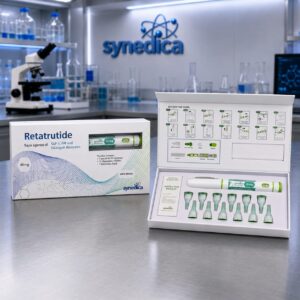
Synedica Pen
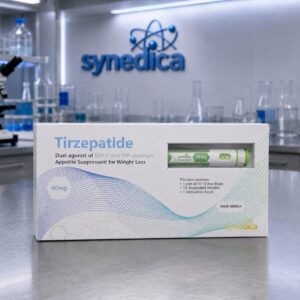
Synedica Pen
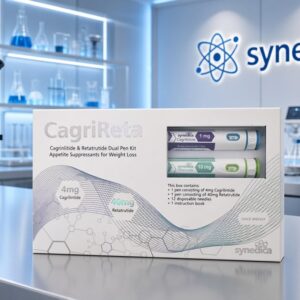
Synedica Pen
Reviews
There are no reviews yet.